Understanding Retinoblastoma in Children

Share:

Raghav was looking through the family’s recent vacation photographs that had just arrived. He noticed that in many of them, Sneha, his 1 year old daughter seemed to have white pupils. Thinking that this was like the red-eye effect in photographs, he ignored it. A few months later, both he and his wife Chaya noticed that their daughter’s eyes were swollen and that her vision was becoming poor. Concerned, they took her to an eye specialist, who diagnosed Sneha with retinoblastoma, a disease that had affected her mother as a child and had cost her eyes. However, in Sneha’s case, the disease had advanced to a point where one of her eyes had to be removed.

In all the years I have spent in treating eye related ailments, I have seen a heart-breaking number of cases like Sneha’s, where retinoblastoma cost children their eyesight, when it could have been avoided. Retinoblastoma is a cancer of the eye that starts in the retina, the lining inside the eye that is sensitive to light. Today, retinoblastoma affects over 300 children annually in the US, but it’s India that sees the most incidences of this disease, with nearly 1500 cases emerging every year in the country. Sadly, many of these cases end up costing children their eyesight, something that can be avoided with parental awareness, especially since the disease has a hereditary component to it. Below are some of the key aspects about retinoblastoma that I strongly believe everyone should be aware of:

Introduction

Retinoblastoma is a rare but serious type of eye cancer that develops in the retina—the light-sensitive tissue at the back of the eye. It primarily affects young children, usually under the age of five. While the diagnosis can be alarming for parents, the good news is that with early detection and proper treatment, most children recover successfully.

In this blog, we will explore what retinoblastoma is, its symptoms, how it is diagnosed, treatment options, and the importance of early intervention.
What is Retinoblastoma?

Retinoblastoma occurs when the cells in the retina grow uncontrollably due to a genetic mutation. These cancerous cells form a tumor that can affect vision and, if left untreated, may spread to other parts of the body.

Unilateral Retinoblastoma

Affects only one eye.

Bilateral Retinoblastoma

Affects both eyes, often due to an inherited genetic mutation.

Although it is a rare disease, retinoblastoma accounts for about 3% of all childhood cancers and is the most common eye cancer in children.

Symptoms of Retinoblastoma

Recognizing the early signs of retinoblastoma can significantly improve the chances of successful treatment. Parents should be vigilant for the following

List of symptoms:

1. Leukocoria (White Pupillary Reflex)

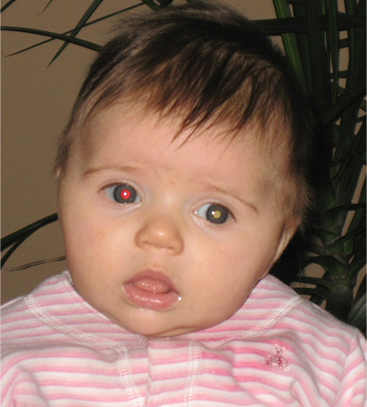
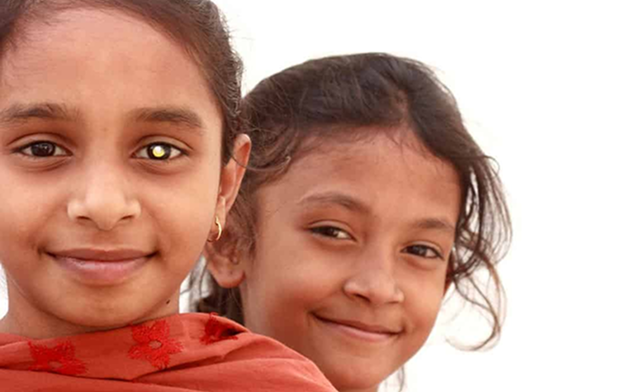
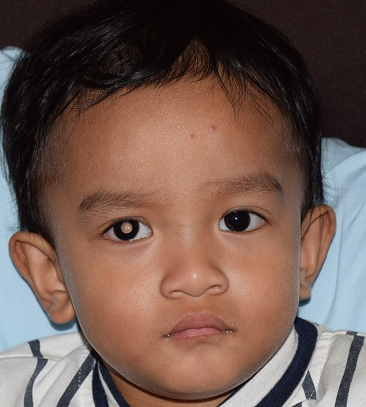
One of the most common signs. In flash photography, instead of the normal red-eye reflection, the affected eye may appear white or have a yellowish glow.

2. Strabismus (Crossed Eyes)

If the child’s eyes do not align properly or appear to be looking in different directions, it may indicate vision problems caused by the tumor.

3. Poor Vision

The child may struggle with seeing objects, and parents may notice difficulty in tracking movement or focusing.

4. Eye Redness and Swelling

Persistent redness, irritation, or swelling in one or both eyes may indicate an underlying issue.

5. Pupil Abnormalities

The affected pupil may not respond to light as expected.
If you notice any of these symptoms in your child, seek immediate medical attention from a pediatric ophthalmologist.

Diagnosis of Retinoblastoma

Early detection of retinoblastoma is critical for preserving vision and preventing the spread of cancer. Diagnosis usually involves the following steps

1. Comprehensive Eye Examination

An ophthalmologist will examine the child’s eyes using special instruments to look for tumors. This may require dilation of the pupils.

2. Ultrasound Scan

High-frequency sound waves create an image of the eye to detect the presence of a tumor.

3. MRI or CT Scans

These imaging tests help determine whether cancer has spread beyond the eye.

4. Genetic Testing

If retinoblastoma is suspected to be hereditary, genetic tests can help assess the risk for siblings or future generations

Treatment Options for Retinoblastoma

The choice of treatment depends on the size of the tumor, its location, and whether cancer has spread. The primary goal is to preserve vision and prevent the spread of cancer while minimizing side effects.

1. Laser Therapy & Cryotherapy

These treatments are used for small tumors.

Laser therapy (Photocoagulation): Uses laser beams to destroy tumor cells.

2. Chemotherapy

Chemotherapy is often used to shrink tumors before other treatments. It can be administered orally, intravenously, or directly into the eye (intra-arterial chemotherapy).

3. Radiation Therapy

For larger tumors, radiation therapy may be required:

External beam radiation: Directs radiation at the tumor from outside the body.

Brachytherapy (Plaque Radiotherapy): A small radioactive implant is placed near the tumor to target cancer cells.

4. Surgery (Enucleation)

If the tumor is large and vision cannot be preserved, surgical removal of the eye (enucleation) may be necessary. A prosthetic eye can later be fitted to restore appearance.

Prognosis & Long-Term Care

With early diagnosis and proper treatment, the survival rate for retinoblastoma is over 95%. However, children who have had retinoblastoma require long-term follow-up to monitor for recurrence or potential vision problems.
Key Aspects of Follow-Up Care:

1. Regular Eye Exams

To detect any new tumors early.

2. Screening for Second Cancers

Children with hereditary retinoblastoma may have a higher risk of developing other cancers later in life.

3. Vision Rehabilitation

If vision loss occurs, therapies and assistive devices can help improve quality of life.

4. Emotional Support

Families dealing with retinoblastoma may benefit from counseling and support groups.

Can Retinoblastoma Be Prevented?

Since retinoblastoma is often linked to genetic mutations, there is no way to prevent it entirely. However, genetic counseling and early screening can help identify at-risk children before symptoms appear. If a family history of retinoblastoma exists, newborns should undergo regular eye examinations starting from infancy.

Final Thoughts

Retinoblastoma is a challenging diagnosis, but advancements in medical technology and early detection have greatly improved outcomes. Parents and caregivers should remain vigilant for early signs and seek medical advice immediately if they notice anything unusual in their child’s eyes.
Early intervention can save vision, prevent complications, and ensure a healthy future for children diagnosed with this condition.

Author Bio

Dr. Fairooz P. Manjandavida

Oculoplasty, Orbit & Ocular Oncology Specialist
Dr. Fairooz is dedicated to restoring vision and transforming lives. Specializing in oculoplasty, cataract surgery, and ocular oncology, she combines expertise with compassion to help patients see the world more clearly and confidently.

Related articles

Your child's vision shapes their future—don’t wait. Schedule an eye checkup today!